Loading...
Battle of Fredericksburg
December 13, 1862Fredericksburg, Virginiahigh importance
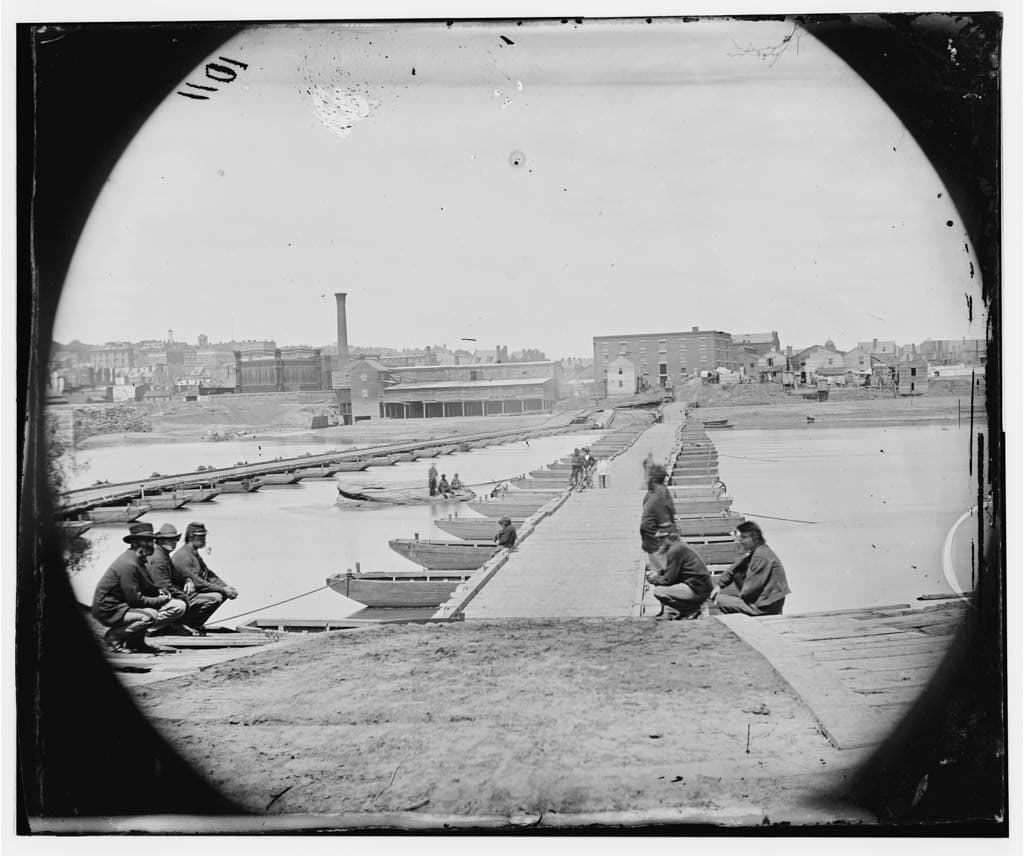
Union forces suffered a costly defeat attacking fortified Confederate positions above the Rappahannock River.
Where this fits. Three months after Antietam, the Union tried again to crush Robert E. Lee before winter. Fredericksburg on December 13, 1862 became one of the most one-sided defeats of the Eastern war and deepened Northern frustration with Union generals.
Burnside takes command. President Lincoln replaced George McClellan with Ambrose Burnside, who planned a rapid strike toward Richmond by crossing the Rappahannock River at Fredericksburg, Virginia. Delays let Lee concentrate on high ground west of town.
Crossing under fire. Union engineers built pontoon bridges while Confederate sharpshooters fired from houses along the riverfront. Once across, Union troops fought street by street before reaching open fields below Marye's Heights.
Marye's Heights. Confederate infantry behind a stone wall along the Sunken Road poured fire into waves of Union attackers crossing open ground. Artillery on the ridge added to the slaughter. Ambulance wagons carried wounded men for days.
A lopsided defeat. Burnside finally stopped the assault. Union casualties were roughly 12,600; Confederate losses were far smaller. Newspapers called it a disaster; soldiers in winter quarters wrote home about mud, cold, and lost friends.
Why it mattered. Fredericksburg proved that courage alone could not overcome strong defenses. The war in the East would continue into 1863 with Chancellorsville, then Gettysburg.
Related on StudyQuest
Key Takeaways
1
Union frontal assaults failed against fortified high ground
2
Deepened Northern frustration with Union leadership in 1862
3
Highlighted river crossings and engineering in Eastern campaigns