Loading...
Peninsula Campaign
June 27, 1862Virginia Peninsula (between Yorktown and Richmond)high importance
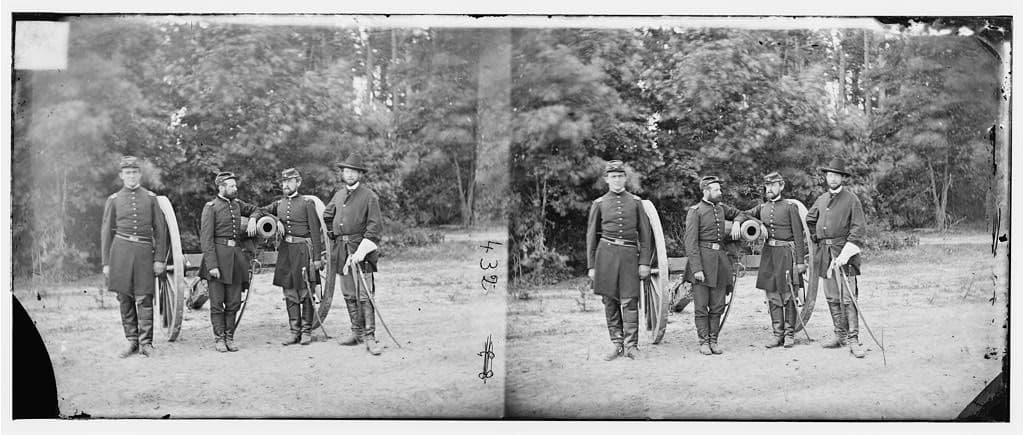
Union General McClellan’s drive toward Richmond stalled in the Seven Days Battles, keeping the Confederate capital safe for another year.
Where this fits. After Bull Run (1861) and the ironclad fight at Hampton Roads (March 1862), Union leaders still hoped to end the war in Virginia quickly. The Peninsula Campaign (spring–summer 1862) was their main Eastern try before the bloodbath at Antietam.
McClellan's plan. Union General George B. McClellan, cautious but organized, shipped the Army of the Potomac down the Chesapeake and up the Virginia Peninsula between the York and James rivers. His goal: capture Richmond, the Confederate capital, from the east instead of marching straight south from Washington.
Early success, slow pace. Union troops took Yorktown and fought near Williamsburg. McClellan believed he was outnumbered and moved carefully, giving Robert E. Lee time to prepare. When General Joseph E. Johnston was wounded at Fair Oaks, Lee took command of the Confederate army defending Richmond.
Seven Days Battles. Between June 25 and July 1, 1862, Lee attacked again and again at Mechanicsville, Gaines’ Mill, Glendale, and Malvern Hill. Casualties were enormous on both sides. McClellan withdrew to the James River, where Union gunboats shielded his army.
Why it mattered. Richmond stayed in Confederate hands. Lee's aggressive leadership made him the dominant Eastern commander. McClellan's retreat set up Second Bull Run, then Lee's invasion of Maryland and the Battle of Antietam that September.
Related on StudyQuest
Key Takeaways
1
Union attempt to capture Richmond by approaching from the east failed
2
Robert E. Lee’s first major command success as Confederate army leader
3
Showed how rivers, railroads, and cautious leadership shaped Eastern campaigns