Loading...
Battle of Fort Sumter
April 12, 1861Charleston, South Carolinahigh importance
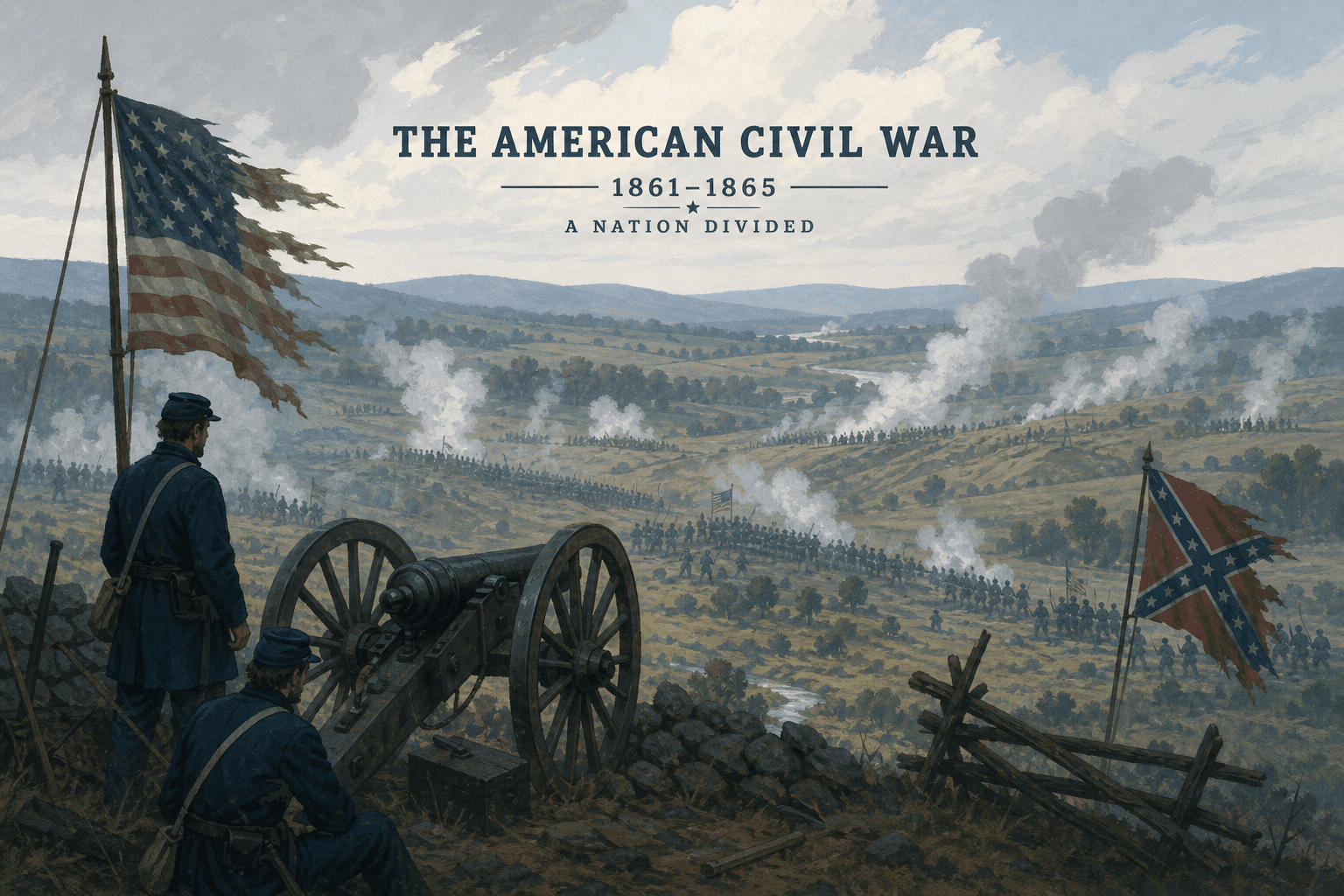
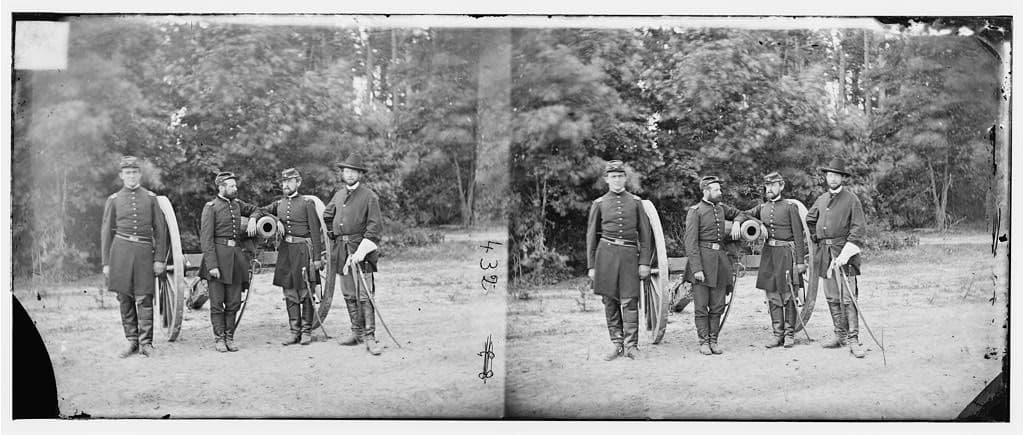
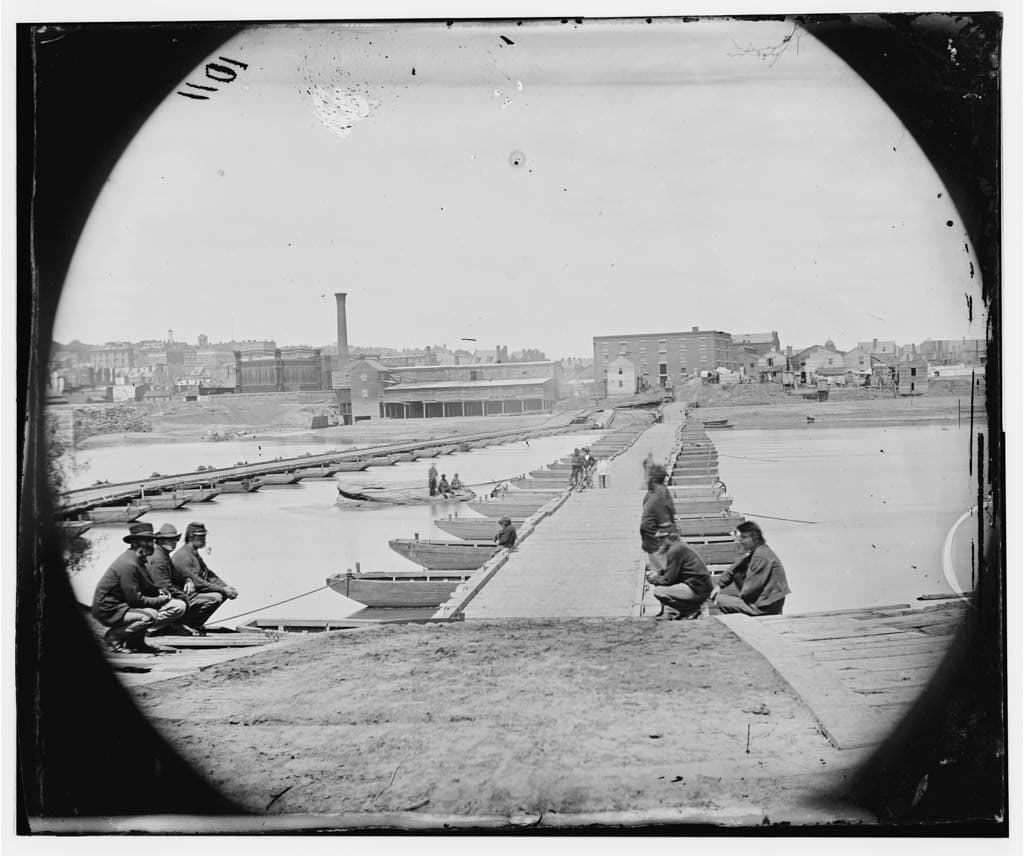
Confederate shore batteries opened fire on the Union-held fort in Charleston Harbor, turning secession into a shooting war.
Where this fits on the timeline. Five months after the election of 1860 and four months after South Carolina seceded, the crisis came down to one brick fort on an island in Charleston Harbor. When Confederate guns opened fire on Fort Sumter at 4:30 in the morning on April 12, 1861, the argument over secession became a war. It is the first shot of the American Civil War, and no one on either side died in the fighting.
Why one fort mattered so much
A flag in the middle of the Confederacy. After secession, South Carolina demanded the federal forts around Charleston. On the night of December 26, 1860, Major Robert Anderson quietly moved his eighty-odd soldiers from indefensible Fort Moultrie to the stronger, unfinished Fort Sumter on its island in the harbor. To Southerners the move was an act of aggression; to Northerners it was a duty. In January an unarmed supply ship, the Star of the West, was fired on and turned back. By the time Abraham Lincoln took office on March 4, 1861, Sumter's garrison had food for about six weeks, and every other federal fort in the Deep South had already been surrendered.
Lincoln's choice
Send bread, not bullets, and let the other side decide. Lincoln's cabinet was split; his general-in-chief advised giving the fort up. Instead Lincoln notified South Carolina's governor that he would resupply Sumter with provisions only, no troops or ammunition, unless the fort was attacked. That put the decision on Jefferson Davis. Letting the supply ships through would make the Confederacy look powerless; firing first would make it the aggressor. Davis and his cabinet chose to fire. On April 11 General P. G. T. Beauregard, who had been Anderson's artillery student at West Point, demanded surrender. Anderson refused but mentioned that his men would be starved out within days anyway. The Confederates would not wait.
Thirty-four hours
A bombardment the whole city came out to watch. Confederate batteries ringing the harbor fired some 3,000 shells at the fort over a day and a half while Charlestonians watched from rooftops. Anderson's gunners answered slowly to save powder, and their small garrison could not reach most of the enemy positions. Fires broke out in the barracks, the flagstaff was shot down and the flag raised again, and the fort's wooden buildings burned. With ammunition nearly gone, Anderson agreed to surrender on April 13 and marched out the next day with the honors of war, saluting his flag with a fifty-gun salute during which an accidental explosion killed one Union soldier, Private Daniel Hough, the first death of the war.
What the first shot set off
Both sides got the war they had been drifting toward. On April 15 Lincoln called for 75,000 volunteers to put down the rebellion, and the Upper South answered by leaving the Union: Virginia, Arkansas, Tennessee, and North Carolina seceded within weeks, bringing the Confederacy to eleven states and putting its capital at Richmond, a hundred miles from Washington. Northern cities erupted in flag-waving rallies; Southern ones did the same. The naval blockade followed within days, and the first real battle came at Bull Run in July. Four years to the day after the surrender, on April 14, 1865, Anderson returned to raise the same flag over the ruins of Sumter; that night Lincoln was shot at Ford's Theatre.
Further reading
Stand where the guns were. Fort Sumter and Fort Moultrie National Historical Park preserves the fort, and its history pages cover the standoff day by day. The American Battlefield Trust has a clear overview. David Detzer's Allegiance tells the whole four-month standoff from inside the fort.
Related on StudyQuest
Further reading
Recommended, age-appropriate books to explore this further. Links open a library catalog search.
Allegiance: Fort Sumter, Charleston, and the Beginning of the Civil War
by David Detzer
The four-month standoff told from inside the fort and the city; for grades 9 to 12.
Fields of Fury: The American Civil War
by James M. McPherson
A richly illustrated overview of the whole war; ideal for grades 6 to 9.
Key Takeaways
1
First sustained military engagement of the Civil War
2
Anderson moved from Fort Moultrie to Sumter in December 1860; bombardment began April 12, 1861
3
Lincoln refused to recognize secession and called for 75,000 volunteers after the fort fell
4
Lincoln's call for troops widened the conflict beyond the Deep South
Key Figures
Related Videos

Fort Sumter: Animated Battle Map
American Battlefield Trust · 7:34