Loading...
Shift to African Enslaved Labor in the Americas
c. 1500–1865Atlantic World / Americashigh importance
European colonies turned to the brutal Atlantic slave trade after catastrophic Indigenous population loss and demand for plantation labor.
Why planters demanded a "new labor force"
European settlement brought epidemics (smallpox, measles, influenza) for which Indigenous peoples had little immunity, killing millions within decades and shattering communities that colonizers had hoped to exploit for labor.
From Indigenous coercion to African chattel slavery
As survivors resisted capture or fled inland, colonists in the Caribbean, Brazil, and British mainland colonies experimented with European indentured servants, then increasingly purchased enslaved Africans already trapped within African trading networks fed by captivity from wars and raids.
Scale and horror
From roughly the early 1500s into the 1800s, merchants forced roughly 12 million Africans onto ships; roughly 2 million died during capture or the Middle Passage. Survivors faced auction blocks, branding, and lifelong bondage, legally coded as property, not people.
Legacy
This shift embedded race-based chattel slavery in law and economy and shaped African diaspora cultures across the Americas.
Key Takeaways
1
Indigenous population collapse from disease opened demand for coerced plantation labor
2
The Atlantic slave trade forcibly moved millions of Africans to the Americas
3
Enslaved people were treated as property under colonial and later U.S. law
Related Videos
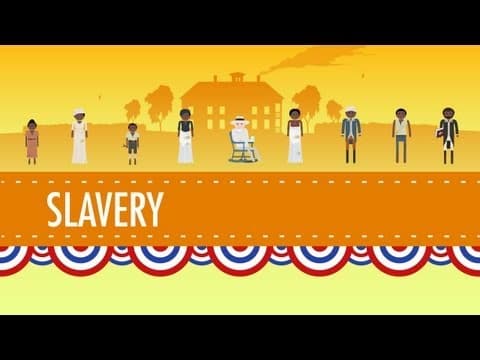
Slavery: Crash Course US History #13
CrashCourse · 14:25